
9 Restaurant Menu Design Mistakes That Could Be Costing You Sales

Your menu, whether it's printed, mounted behind the counter, or displayed on a digital screen, is one of the most important sales tools in your restaurant.
Effective restaurant menu design does more than display food—it guides decisions, supports profitability, and reinforces your brand experience. Unfortunately, many restaurants unknowingly make menu design mistakes that create confusion and reduce sales.
mistake no. 1
Lacking a Clear Menu Strategy
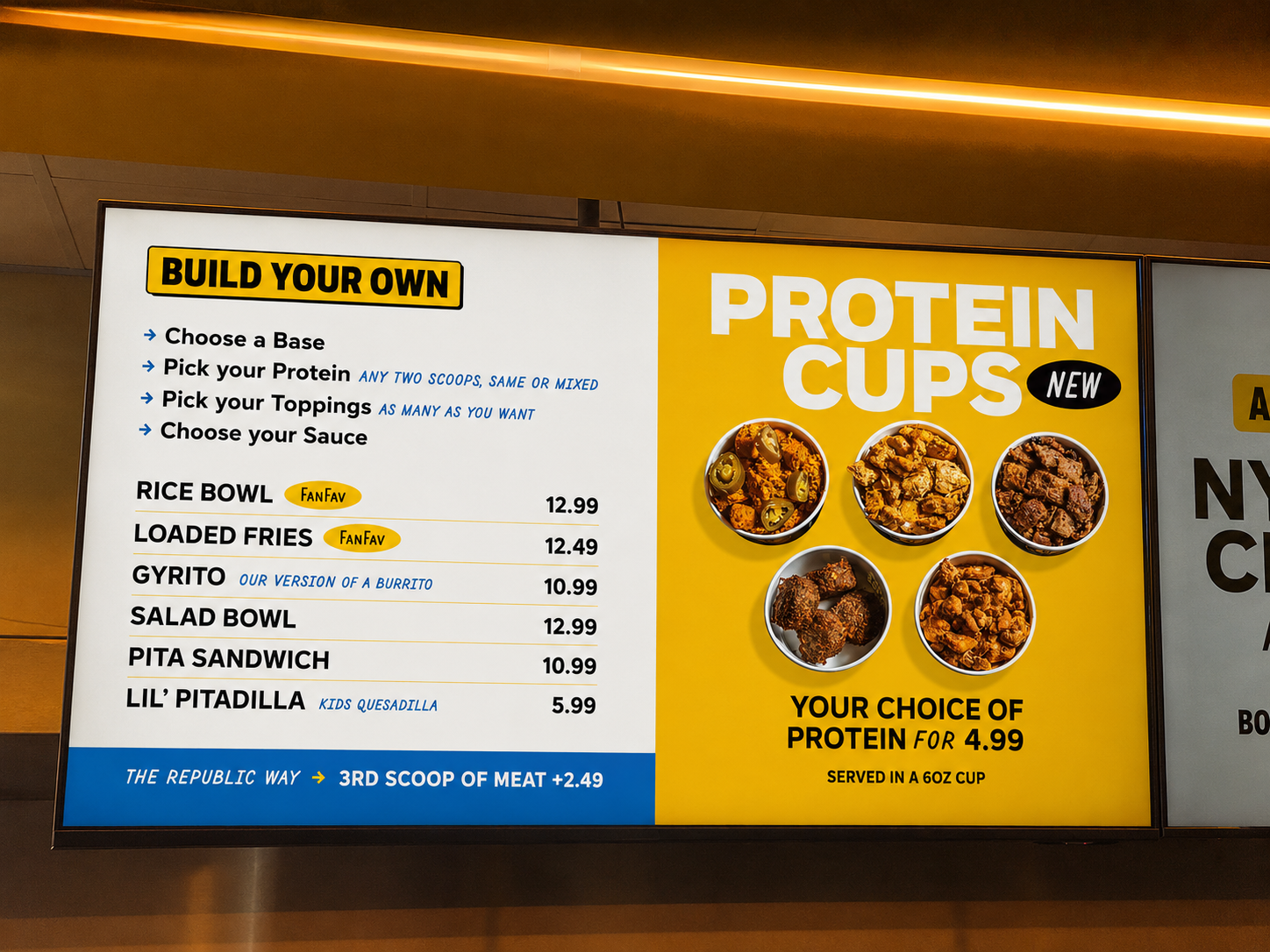
I see this most often in fast-casual restaurants, where menu boards are expected to do everything at once—promotions, rewards programs, QR codes, app downloads, catering information, social media, and limited-time offers.
The problem is that every message competes with the one thing guests came to do: place an order.
When customers have to sort through too much information, decision-making slows down. In fast-casual environments, those extra few seconds can quickly add up, creating longer lines, slower service, and a more frustrating guest experience.
What to Do Instead → Highlight key items and seasonal features, while relying on other touchpoints for promotions, loyalty programs, and additional marketing messages.
mistake no. 2
Overcrowding the Menu
Restaurants often assume that more menu items create more opportunities to sell. In reality, too many choices can overwhelm guests and make it harder for them to make a decision.
When menus become overcrowded, readability suffers. Smaller type, tighter spacing, low contrast, and cluttered layouts create a menu that feels overwhelming rather than intuitive.
A menu should feel effortless to read. White space isn't wasted space—it's what helps guests move through the menu, distinguish categories, and focus on key items. More choices don't always lead to more sales. In many cases, they create decision fatigue, making it harder for guests to quickly identify what they want—and what you want them to order.
What to Do Instead → Prioritize quality over quantity. A focused menu paired with clear, readable design helps guests make decisions more quickly and confidently.
mistake no. 3
Ignoring Visual Hierarchy
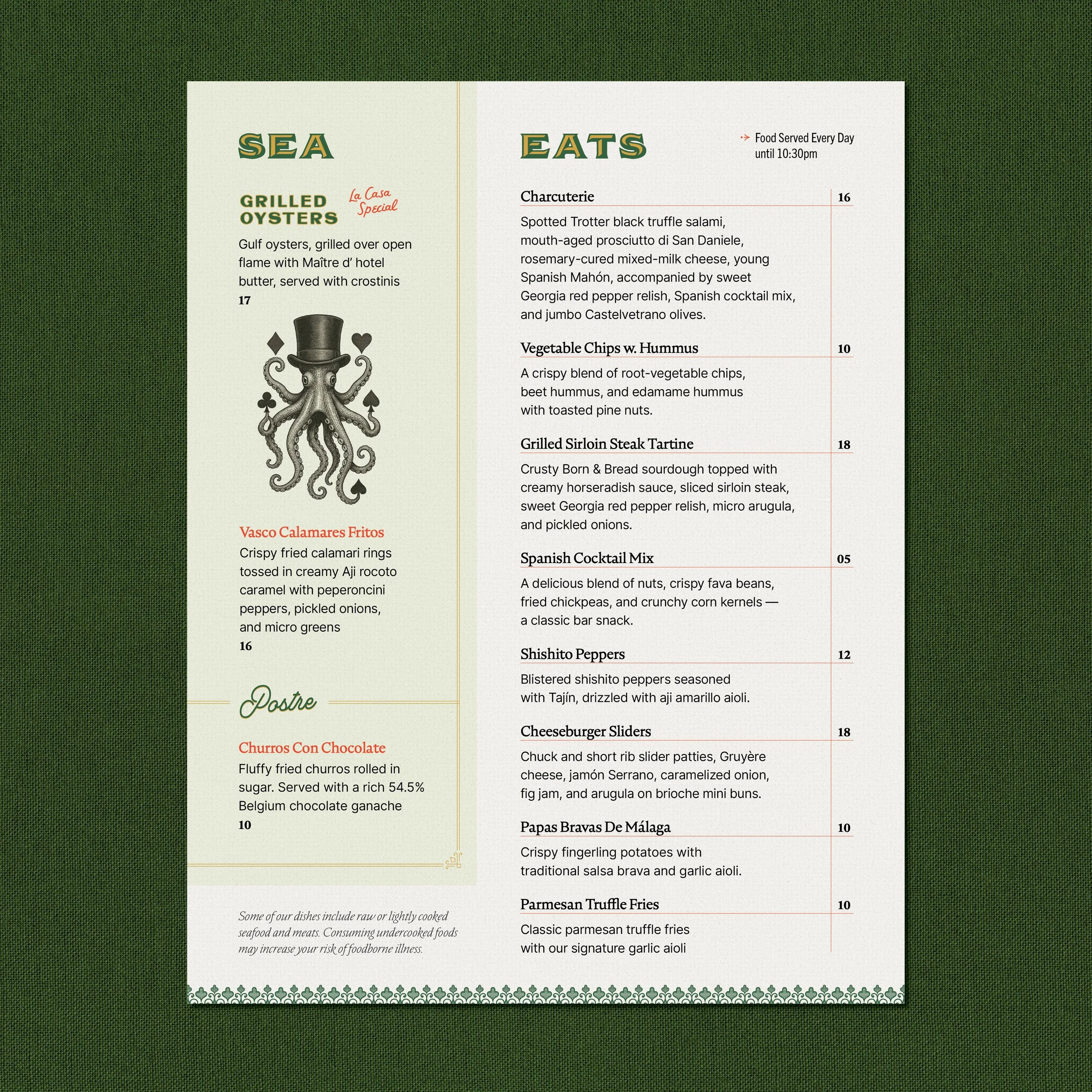
If every menu item looks the same, nothing stands out.
Great menu design helps guide guests through the decision-making process. Through typography, spacing, category organization, and strategic placement, restaurants can naturally draw attention to best sellers, signature items, seasonal features, or high-margin offerings.
When every item receives equal attention, guests become overwhelmed. A clear visual hierarchy makes ordering feel easier and more intuitive.
What to Do Instead → Use size, spacing, typography, and strategic placement to guide guests toward key items.
mistake no. 4
Using Low-Quality Photography
Poor food photography can make even great food look unappealing.
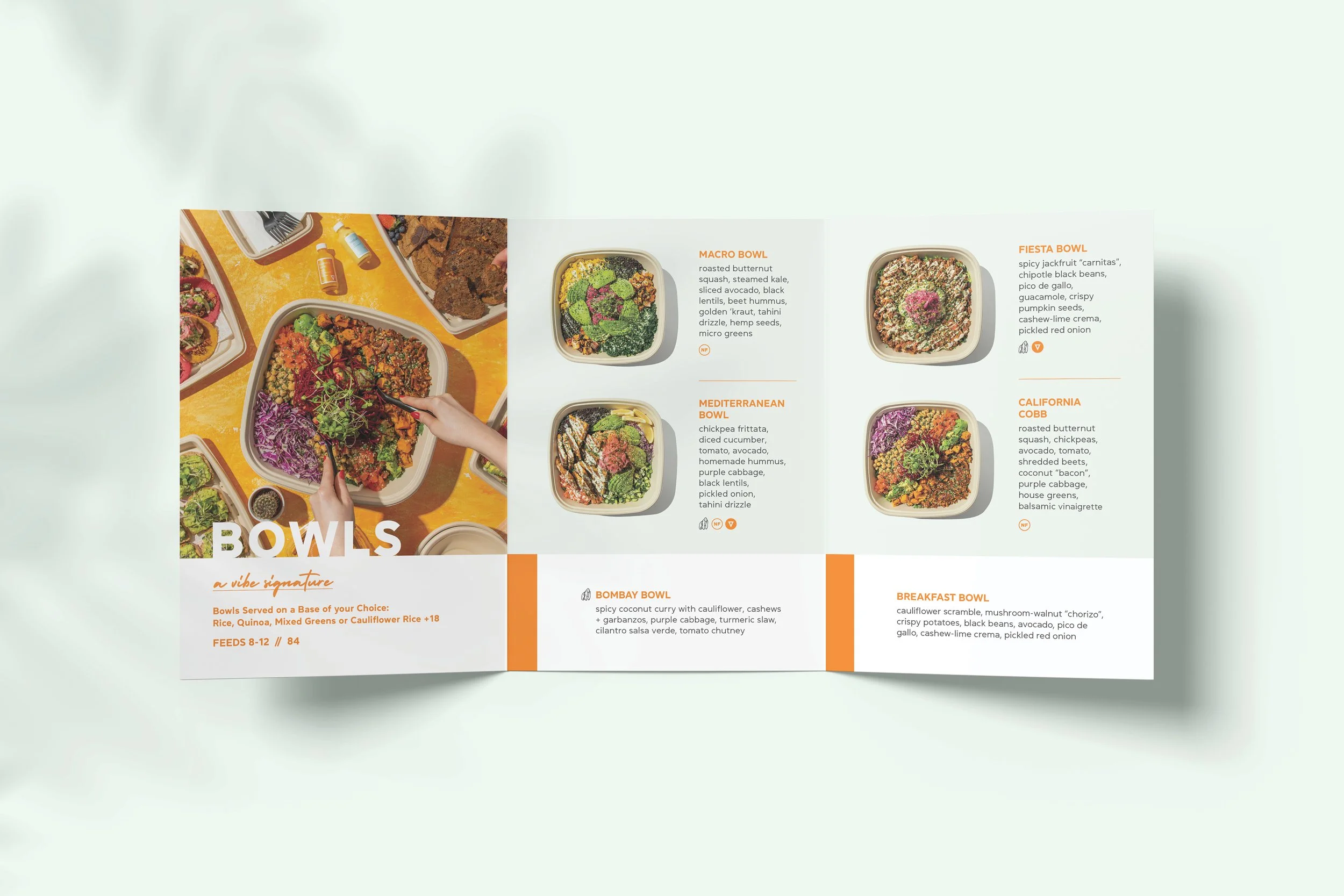
Inconsistent lighting, outdated images, or low-resolution photos can unintentionally lower the perceived quality of your food and brand. In many cases, no photography is better than poor photography.
When photography is used, it should feel intentional, consistent, and aligned with your brand. And remember: photography isn't the only way to create visual interest. Illustration, typography, color, and layout can be just as effective when they support the overall brand experience.
What to Do Instead → Invest in professional photography—or explore alternative visual elements like illustration and custom graphics that reinforce your brand.
mistake no. 5
Generic Item Names & Descriptions
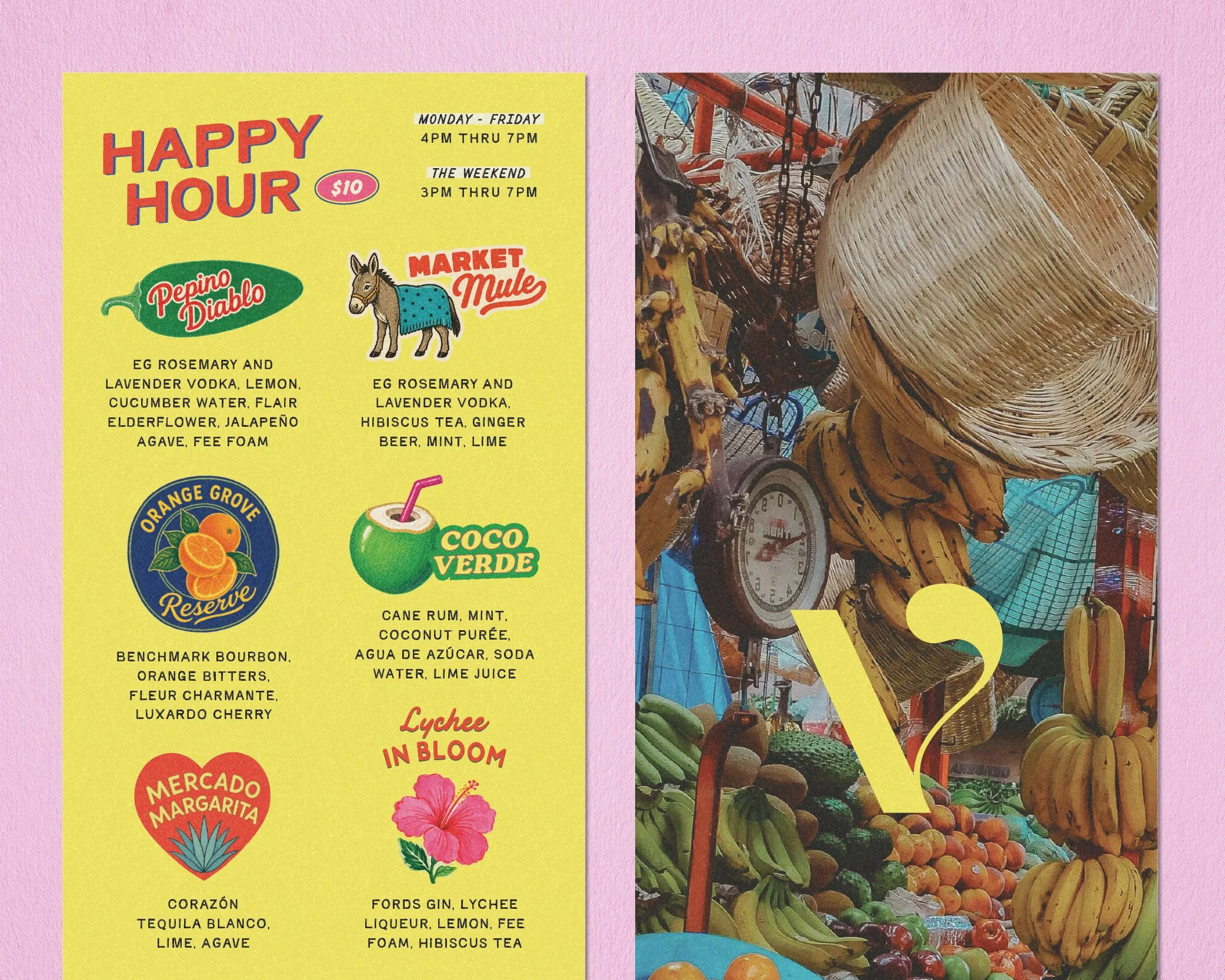
Your menu item names are often the first impression guests have of the food. Yet many restaurants default to generic names like "Chicken Sandwich" or "Turkey Wrap," missing an opportunity to create interest and reinforce their brand personality.
A memorable name can make an item more recognizable, easier to recommend, and more exciting to order. For example, "Chicken Sandwich" tells guests what it is. A name like The Gouda Bird creates curiosity and gives the item a personality of its own.
The description should then support the name by highlighting the ingredients and flavors that make the item special. Instead of simply listing what's included, focus on what makes the dish worth ordering—whether that's a unique flavor combination, house-made ingredient, or preparation method.
Together, strong item names and thoughtful descriptions help transform a menu from a list of products into a branded experience guests remember.
What to Do Instead → Create memorable item names and use descriptions to highlight the ingredients, flavors, and details that make each dish unique.
mistake no. 6
Letting your Menu Go Stale
While consistency is important, the most successful restaurant menus leave room for something new.
Limited-time offerings, seasonal specials, and rotating menu items create excitement and give guests a reason to come back. Part of what makes these items successful is knowing they won't be available forever. When customers feel like they might miss out, they're often more likely to try something new. And when a favorite seasonal item returns, it creates anticipation all over again.
The goal isn't to reinvent your menu every few months—it's to find the right balance between familiar favorites and new discoveries.
What to Do Instead → Introduce seasonal specials, limited-time offerings, or rotating menu items that keep guests engaged and excited to return.
mistake no. 7
Failing to Reflect your Brand
A menu should feel like an extension of your restaurant, not a generic template.
The challenge is that many restaurants design their menu before clearly defining their brand. Without a strong brand foundation, the menu becomes a sea of endless possibilities—different fonts, colors, photography styles, and layouts with no clear direction. The result is often a menu that feels disconnected from the experience you're trying to create.
A great menu doesn't just tell guests what you serve—it reinforces who you are. The design should reflect both your brand and the cultural influences behind your food, helping create an experience that feels authentic rather than interchangeable.
What to Do Instead → Establish your brand first, then let it guide your menu design. Carry your brand's typography, colors, voice, and personality throughout the menu experience.
mistake no. 8
Treating Menu Design as a DIY Project
Tools like Canva have made design more accessible than ever, and for simple menus, they can be a useful solution. But as menus evolve—with new items, seasonal features, price changes, and shifting categories—what seems like a simple update often becomes a larger design challenge.
Adding a new item isn't always as simple as inserting another line of text. Menu changes often affect spacing, hierarchy, category organization, and overall balance throughout the page. Without a thoughtful system in place, menus can quickly become cluttered and difficult to navigate.
A great menu isn't just designed to look good today—it's designed to adapt as your restaurant grows.
What to Do Instead → Partner with a professional menu designer who can help maintain structure, readability, and balance as your menu evolves.
mistake no. 9
The Final Print
Your menu deserves better than the office printer.
Many restaurants invest in a professionally designed menu only to print it in-house on standard office paper or low-quality stock. Unfortunately, even great design can lose its impact when the final presentation feels like an afterthought.
Your menu is one of the most frequently handled pieces of your brand. Paper weight, finish, print quality, color accuracy, and durability all contribute to how guests perceive the experience.
A thoughtfully designed menu printed on inexpensive copier paper can unintentionally make a restaurant feel less polished than it actually is.
What to Do Instead → Invest in production as well as design. Choose materials and printing methods that support your concept, budget, and guest experience. The best menus consider both how they look on screen and how they feel in someone's hands.
final thoughts
Your menu is one of the most important touchpoints in your restaurant. It influences ordering decisions, reinforces your brand, and shapes the overall guest experience.
If you're planning a menu refresh, introducing new offerings, or wondering whether your current menu is helping or hurting sales, I'd be happy to take a look.
Whether you need a complete redesign or simply a fresh perspective, let's talk about your menu goals and how your menu can better support your business.
